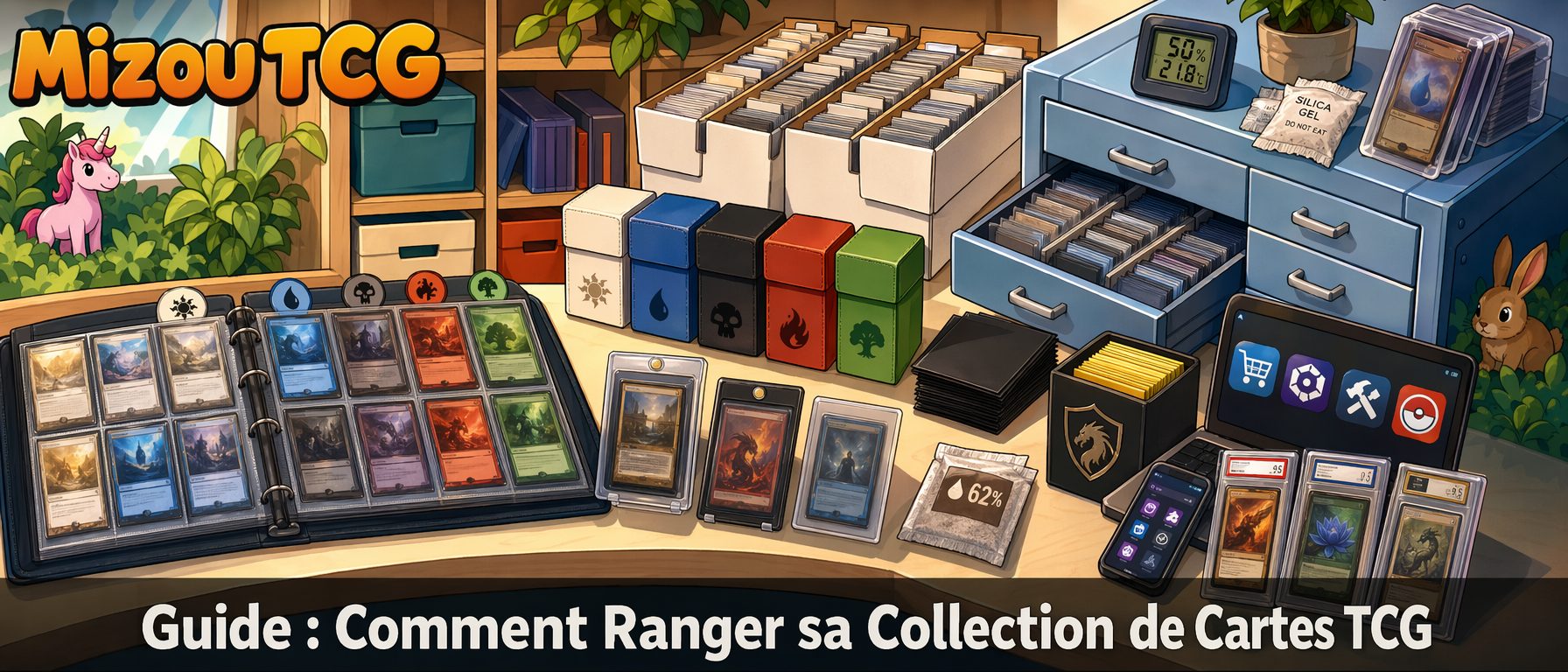
Your TCG card collection is piling up on your desk, in shoeboxes, between the pages of old binders... You've probably already experienced that frustrating moment: searching for a card for 20 minutes only to finally find it stuck under a pile of commons. Even worse, discovering that a valuable card has been damaged due to inadequate protection.
Whether you collect Magic: The Gathering, Pokémon, Yu-Gi-Oh!, One Piece, or Disney Lorcana, this complete guide will help you organize your collection like a pro. From organization methods to choosing the right materials, including optimal storage conditions: it's all here.
Why organize your collection properly?
A good storage system isn't just about aesthetics. It's an investment that protects your collection and saves you time every day.
Protection against damage
TCG cards are made of cardboard: they're vulnerable to humidity (warping, mold), UV light (fading), dust, and repeated handling (bent corners, scratches). Proper storage creates a barrier against these threats.
Find your cards quickly
How much time do you waste looking for that one card for your deck? With an organized system, you know exactly where it is. This is especially important for deck-building, where you test multiple configurations.
Evaluate and insure your collection
A well-organized collection lets you know its real value. Essential for home insurance that covers collections, or simply to know where you stand financially.
Make trades and resales easier
Want to sell or trade cards? A well-organized trade binder inspires confidence and speeds up transactions. Buyers and traders appreciate dealing with organized collectors.
Avoid duplicate purchases
Without tracking, you risk buying the same card multiple times. With an inventoried collection, you know what you have and what you're missing.
Organization methods
There's no perfect universal method. The best system is the one that matches your way of collecting and playing.
Organization by extension/set
This is the most popular method among pure collectors. You store your cards set by set, in collection number order.
Recommended structure:
- Set (extension) → Color/Type → Rarity → Collection number
- MTG example: "Murders at Karlov Manor" → White → Rares → #001, #002...
Advantages:
- Makes tracking complete sets easier
- Compatible with collection apps (TCGPlayer, Moxfield)
- Visually satisfying with sequential numbering
Ideal for: Collectors who want to complete entire sets.
Organization by color and mana cost
This is THE preferred method for MTG players when deck-building. The principle: organize first by color (WUBRG), then within each color, by converted mana cost (CMC).
Recommended structure for Magic:
- White (W) → 1 mana → 2 mana → 3 mana → 4+ mana
- Blue (U) → 1 mana → 2 mana → 3 mana → 4+ mana
- Black (B) → 1 mana → 2 mana → 3 mana → 4+ mana
- Red (R) → 1 mana → 2 mana → 3 mana → 4+ mana
- Green (G) → 1 mana → 2 mana → 3 mana → 4+ mana
- Multicolor → by color pair or CMC
- Colorless/Artifacts → by CMC
- Lands → separately
Why it's so effective:
- Immediate visualization of your mana curve
- Ultra-fast deck building: you can see your options at every cost at a glance
- Makes deck balancing easier (not too many expensive cards, enough early game)
- Helps spot the "gaps" in your collection
Pokémon variant: Organize by energy type (Fire, Water, Grass...) then by retreat cost or HP.
Ideal for: Players who regularly build new decks and want to optimize their mana curve.
Organization by value/rarity
This method involves separating bulk from valuable cards. Protection and storage are tailored to price.
Protection levels by value:
- Tier 1 (>$50): Double-sleeve + toploader or magnetic one-touch
- Tier 2 ($10-50): Double-sleeve + premium binder with closure
- Tier 3 (<$10): Single sleeve + storage box
- Bulk (<$1): Cardboard box with dividers
Ideal for: Investors and those with high-value cards.
Organization by playability/deck
For competitive players, this approach is very practical. You sort cards according to their tournament use.
Typical categories:
- Active decks (ready to play)
- Staples (cards played in multiple decks)
- Sideboards and options
- Decks under construction/testing
- Trade/sale cards
Ideal for: Tournament players who change decks often.
The recommended hybrid system
In practice, most experienced collectors use a combination of methods. Here's our recommendation:
- Valuable cards (>$20) → Dedicated premium binder, double-sleeved
- Set collection → Binders or boxes by set
- Playable cards → Deck boxes organized by deck
- Bulk → Storage boxes with alphabetical or set dividers
This system lets you protect what's valuable while keeping the rest accessible and organized.
Storage solutions
Once you've chosen your method, you need the right gear. Here are the main options with their pros and cons.
Binders
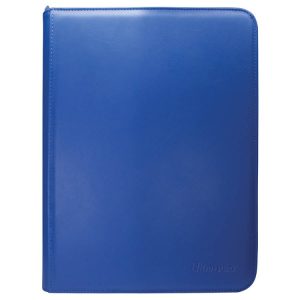
The binder remains the king of storage for valuable cards. It allows easy viewing and individual protection of every card.
Advantages:
- Perfect for showing off your collection (trade binders)
- Every card is visible and accessible
- Protection from dust and impacts
- Various formats (4, 9, 12 pockets per page)
Drawbacks:
- High cost for large collections
- Risk of "ring damage" on some models
- Must be stored flat to prevent card sagging
Usage tips:
- Choose acid-free pages to prevent yellowing
- Prefer "ringless" or D-ring binders (less ring damage)
- Store horizontally, never standing on a shelf for long periods
- Never overload pockets (one card per pocket, not two)
- Zipper closure recommended for transport
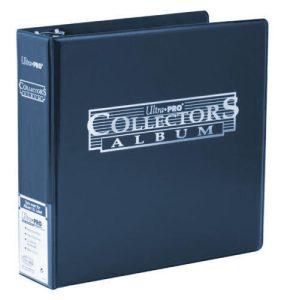
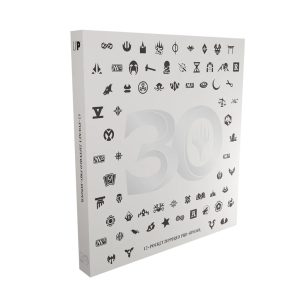
For Pokémon collectors, the Portfolio Premium Snap Binder Pokemon - Ultra Pro (22,00€) offers a premium closure perfect for valuable cards. On the Magic side, the Portfolio 12-Pocket Edge of Eternities - Magic The Gathering - Ultra Pro (22,00€) features iconography from the Edge of Eternities expansion.
Our binders and portfolios
Deck boxes
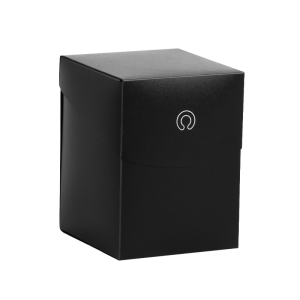
Essential for players, deck boxes protect your ready-to-play decks and make tournament transport easier.
Types of deck boxes:
- Single deck box (60-100 cards): For a standard MTG or Pokémon deck
- Double deck box (160+ cards): For Commander (100 cards + tokens)
- Multi-color bundles: Several small boxes in one case
Selection criteria:
- Magnetic closure: Safer than the classic clip
- Double-sleeve compatibility: Check the actual capacity
- Color: One color per deck for quick identification
For a Commander deck (100 cards + tokens), the Deck Box Double Shell Shadow Black - Dragon Shield (4,00€) is an absolute reference. For a more discreet look, the Deck Box Dragon Shield Double Shell Ashen White - 150 cards (4,00€) offers the same build quality.
- Space for dice/tokens: Handy for certain formats
Our deck boxes
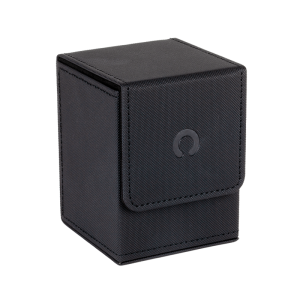
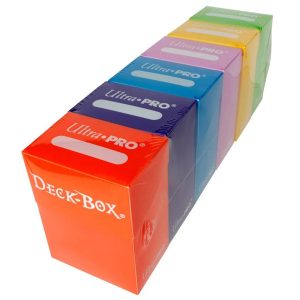
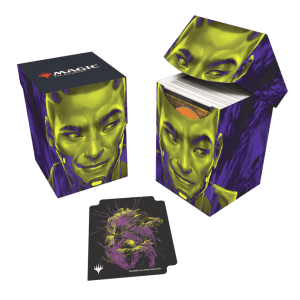
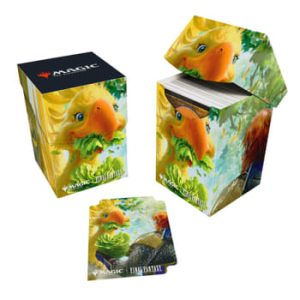
License fans can go for themed models like the Deck Box Final Fantasy Fenrir 100+ - Ultra Pro (5,00€) which combines magnetic closure and premium artwork.
Storage boxes (cardboard boxes)
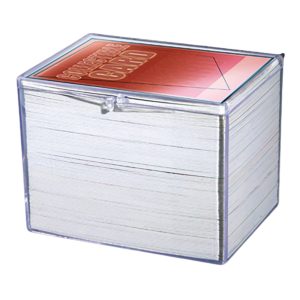
For bulk and large collections, nothing beats cardboard storage boxes. Affordable and effective.
Standard capacities:
| Size | Unsleeved capacity | Sleeved capacity | Ideal use |
|---|---|---|---|
| 400 cards | ~400 | ~350 | One set, transport |
| 800 cards | ~800 | ~700 | Several small sets |
| 1600 cards | ~1600 | ~1400 | Collection by game |
| 3200+ cards | ~3200 | ~2800 | Massive bulk |
Usage tips:
- Dividers between each set or alphabet letter
- Visible labeling on every box
- Dry storage: never directly on the floor (flood risk)
- Cards packed snug to prevent bending
Drawer cabinets
For collections of 10,000+ cards, investing in a dedicated cabinet becomes worthwhile.
Popular options:
- IKEA Helmer: 6-drawer unit, stackable, budget-friendly (~$45)
- Kallax drawers: Inserts for IKEA Kallax shelves
- Custom furniture: For serious collectors
Estimated capacity: 600 to 1,000 sleeved cards per standard drawer.
Protection during storage
Storage alone isn't enough: you also need to physically protect your cards based on their value.
Protection levels
| Card value | Recommended protection |
|---|---|
| Bulk (<$5) | Penny sleeve or none |
| $5-20 | Standard sleeve + binder |
| $20-100 | Double-sleeve + premium binder |
| $100-500 | Double-sleeve + toploader or one-touch |
| >$500 | Professional grading (PSA, CGC, BGS) |
Toploaders
Toploaders are rigid plastic protections that prevent any bending. Essential for valuable cards and mailing.
Usage rules:
- Always put a sleeve on BEFORE the toploader (friction = scratches)
- Choose the right thickness: standard (35pt) for normal cards, thick (130pt+) for premium/thick foil cards
- Use a "penny sleeve + toploader" or "perfect fit + toploader"
Magnetic one-touches
Premium version of toploaders with screwless magnetic closure. Perfect for displaying cards or long-term storage.
Advantages:
- No pressure on the card (unlike screw-downs)
- UV-protective versions available
- Premium look for display
- Easy to open/close
Storage environment
Even with the best gear, a bad environment can destroy your collection.
Optimal conditions
- Temperature: 64-75°F (18-24°C), especially without sudden swings
- Humidity: 40-55% relative humidity (not too dry, not too humid)
- Light: Avoid any direct sunlight exposure (UV = fading)
Humidity control
Humidity is the number one enemy of cards. Too much humidity = warping and mold. Too dry = brittle cards.
Solutions:
- Silica gel packets in storage boxes (absorbs moisture)
- Dehumidifier for the storage room
- Boveda 62% packs to maintain a precise level (also used for tobacco/cigars)
- Hygrometer to monitor humidity levels
Where NOT to store your cards
Some places are to be absolutely avoided:
- Cellar/basement: High humidity, flood risk
- Attic: Extreme temperature swings (summer/winter)
- Near windows: UV exposure
- Near radiators/air conditioners: Temperature and humidity swings
- Directly on the floor: Flood risk, rising humidity
Tracking and inventorying your collection
A collection physically well-organized should also be digitally inventoried.
Recommended apps
| Application | Supported games | Strengths |
|---|---|---|
| Manabox | Magic | Ultra-precise scanner, complete collection management, decks, real-time prices |
| Cardmarket | Multi-TCG | THE European reference, market prices, marketplace |
| Moxfield | Magic | Collaborative deck-building, free, active community |
| Mythic Tools | Magic | Complete website (mythic.tools), collection, decks, value stats |
| Pokellector | Pokémon | Visual interface by set, very comprehensive |
| Collectr | Multi-TCG | Fast scanner, collection analytics |
| Dragon Shield MTG Scanner | Magic | Pack scanning, CSV export |
Why track your collection?
- Know the total value of your collection
- Avoid duplicate purchases by checking before buying
- Make trades easier: share your want list and have list
- Insurance: in case of theft or loss, you have proof
- Set tracking: see what you're missing to complete
Common mistakes to avoid
Years of bad habits can ruin a collection. Here are the most frequent mistakes:
- Rubber bands around cards: Create permanent marks and warp the cardboard. NEVER.
- Cards stacked without protection: Guaranteed scratches, edge wear.
- Food/drink nearby: A spilled glass = irreversible disaster.
- PVC sleeves for long-term storage: PVC degrades and can chemically damage cards. Prefer polypropylene.
- Horizontal storage in big stacks: Cards at the bottom suffer too much pressure.
- Ignoring humidity: Progressive warping, mold over the long term.
- Double-sleeve in binder pockets: Too tight, damages cards on insertion.
- Leaving empty slots in binders: Cards shift and get damaged.
Organization by budget
Your budget directly influences your options. Here are our recommendations by level.
Beginner budget (<$55)
The essentials for protection without breaking the bank:
- 2 cardboard boxes 800 cards (~$11)
- 1,000 penny sleeves (~$11)
- 1 basic 9-pocket binder (~$17)
- 25 toploaders for hits (~$5)
- Some silica gel packets (~$5)
Intermediate budget ($55-165)
A solid setup for a serious collection:
- Premium Dragon Shield or Ultimate Guard binder
- Quality deck boxes by color
- Dragon Shield sleeves for playable cards
- Toploaders + one-touch for expensive cards
- Inner sleeves for double-sleeving
- Hygrometer + silica gel packets
Premium budget ($165+)
The serious collector's setup:
- Dedicated drawer cabinet (IKEA Helmer or better)
- Premium zipper-closure binders
- Systematic double-sleeving
- Premium tracking app
- Room dehumidifier
- Collection insurance (starting at $1,100 in value)
All our protection and storage accessories
FAQ – Frequently Asked Questions
How many cards can a 9-pocket binder hold?
A standard binder with 20 pages (180 pockets) holds 180 cards. XL binders with 40+ pages can go up to 360+ cards. Note: one card per pocket maximum, never double up.
Should you sleeve cards in a binder?
For valuable cards, absolutely yes. The sleeve protects during insertion and removal from the pocket. For bulk with no value, it's not mandatory but recommended if you plan to keep them long-term.
How do you organize a collection of 10,000+ cards?
At this stage, a drawer system becomes nearly mandatory. Organize by: Game → Set → Color/Type. Clearly separate: bulk, playables, showcase collection, trade binder. Use a tracking app so you don't get lost.
Do sleeves damage cards in the long term?
No, if they're quality sleeves. Choose polypropylene sleeves, acid-free, PVC-free. On the contrary, they protect against daily wear, dust, and humidity.
How do you transport your collection to a tournament?
Deck box for the main deck, small binder for the trade binder, all in a padded bag. Never leave your cards unattended – tournament theft is unfortunately common.
Can you store foil cards with regular cards?
Yes, but foils are more sensitive to humidity (they "curl" more easily). For a valuable collection, keep foils in a controlled environment or in individual toploaders/one-touches.
How often should you reorganize your collection?
After every purchase or booster opening, store new cards immediately. A complete reorganization every 6-12 months helps you sort through and optimize the system.
Conclusion
Organizing your TCG card collection takes a bit of initial investment, but the benefits are huge: card protection, time savings daily, and the pleasure of seeing a well-organized collection.
Start by choosing an organization method suited to your profile (collector, player, or both). Invest in quality gear for your valuable cards. And above all, control the storage environment – humidity is your worst enemy.
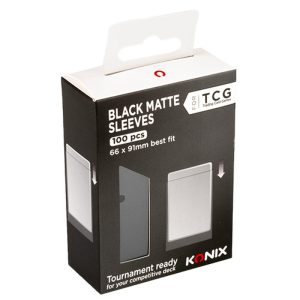
At MizouTCG, we offer all the gear you need to protect and organize your collection: sleeves, binders, deck boxes, toploaders... Feel free to browse our catalog!
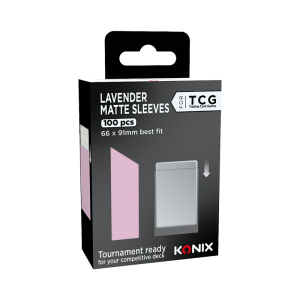
Our protection sleeves
Going further
- TCG Storage and Transport: Complete Guide to Deck Box & Portfolio — the complete guide on this topic