
Magic Binder: Store and Protect Your MTG Collection
Topic: classeur magicA Magic binder is the simplest way to keep an MTG collection legible, protected, and pleasant to browse. The trick is choosing the right format — fixed portfolio, ring binder, or zip binder — and adopting a sorting method that holds up over time.
- The 3 main types of binders and which one suits your collection
- 9-pocket or 12-pocket: capacity, comfort, and sleeve compatibility
- How to sort by color and by set, with cards sleeved before filing
Storing your Magic: The Gathering cards in a binder isn't just about looks: it's what protects your collection day to day and lets you find any card at a glance. Here's how to choose the right model and the right method.
Why a Binder Is Essential for Collecting Magic
A Magic collection grows fast. Wizards of the Coast is releasing all seven sets of 2026, and every release brings its share of opened boosters, duplicates, and gems worth keeping. Without proper storage, cards pile up, get dinged, and end up scattered. A binder gathers everything in one place, lying flat, safe from dust and knocks.
A binder serves three purposes: protect, organize, display. Your cards stay perfectly flat in clear pockets, viewable without handling them one by one. For a beginner, it's also the best way to size up your MTG collection and spot what's missing to complete a set.
Types of MTG Binders: Ring, Zip, and Fixed Portfolio
Three main families of binders coexist across brands like Ultra Pro, Dragon Shield, and Gamegenic. The right choice mostly comes down to the size of your collection and the value of the cards you need to protect.
The fixed portfolio has its pockets sewn into the binding. Light and affordable, it carries no risk of rings damaging your cards. Its capacity is set: once it's full, you buy another. Ideal for storing a specific set or starting a collection.
The ring binder takes refill pages you add as needed. It's the expandable format par excellence for a growing collection. D-rings protect better than round rings because they keep the pages lying flat.
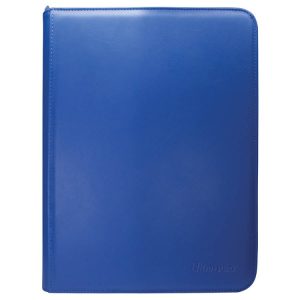
The zip binder closes with a zipper that runs all the way around. It's maximum protection against dust, moisture, and drops: nothing falls out, even upside down. Heavier and pricier, it's the obvious pick for valuable cards or travel.
| Criterion | Fixed portfolio | Ring binder | Zip binder |
|---|---|---|---|
| Capacity | Fixed | Expandable | Expandable |
| Protection | Good | Variable | Maximum |
| Weight / portability | Light | Medium | Heavier |
| Price range | Affordable | Mid-range | Premium |
| Ideal for | Small collection, specific set | Growing collection | Valuable cards, travel |
9-Pocket, 12-Pocket, Side-Loading: Which Page Format to Choose
Once you've picked the type, there's still the page format to settle. The 9-pocket page (3×3 grid) is the absolute standard for Magic. It holds a sleeved card without forcing and stays easy to flip through. It's the recommended format for the vast majority of collectors.
The 12-pocket page (4×3 grid) shows more cards per page and packs in more density. The downside: the slots are tighter, so less comfortable with thick sleeves or double-sleeving. Save it for commons, tokens, or unsleeved cards you want to compact.
One last criterion: the loading direction. A top-loading page (cards inserted from the top) leaves a slight risk of slipping if the binder is turned upside down. A side-loading page (cards inserted from the side), like Ultra Pro's PRO-Binder, holds cards far more securely. For precious cards, side-loading is a real plus.
The Go-To Brands: Ultra Pro, Dragon Shield, and Gamegenic
Three names dominate the binder aisle. Ultra Pro is the longtime licensed partner for Magic accessories: it has the widest catalog, from the small budget portfolio to the collector zip binder, including themed lines like the Ultra PRO Magic x Final Fantasy: The Q4 2026 Lineup range.
Dragon Shield (made by Arcane Tinmen) is best known for its sleeves, but its album lineup is just as well crafted: sturdy materials, side-loading, and colors that match its sleeves. Handy if you want to coordinate sleeves and binder in the same shade.
Gamegenic plays the premium card: non-slip pages, acid-free and PVC-free materials, and very refined finishes. It's the choice of demanding collectors willing to invest a little more to protect their most precious cards.
Whatever the brand, check for one essential label: "acid-free" and "PVC-free" (archival-safe) materials. That's what guarantees the pockets won't yellow or damage your cards over the years.
| Criterion | Ultra Pro | Dragon Shield | Gamegenic |
|---|---|---|---|
| Strength | Widest selection, official MTG license | Durability, colors matched to sleeves | Premium finishes, non-slip pages |
| Loading | Top and side (PRO-Binder) | Side | Side |
| Materials | Acid-free | Acid-free | Acid-free, PVC-free |
| Price range | Affordable to premium | Mid-range | Premium |
Binder or Deck Box: Which to Choose for Your Needs
A binder and a deck box serve different purposes, and most players own both. A binder stores and displays the collection; a deck box carries a built deck, ready to play at a tournament or game night.
If you're looking to protect hundreds of cards and browse them easily, the binder is the way to go. If you want to carry a sleeved Commander or Standard deck without damaging it, the deck box is made for that. To go deeper, check out our page dedicated to the Magic deck box.
| Criterion | Binder / portfolio | Deck box |
|---|---|---|
| Main use | Store and view the collection | Carry a ready-to-play deck |
| Capacity | Hundreds of cards | One deck (60 to 100 sleeved cards) |
| Visibility | All cards visible | Cards stacked, not visible |
| Access | Flip through page by page | Draw and shuffle quickly |
Sorting and Protecting Your Collection (Sleeves, Sorting by Color and Set)
A well-organized binder starts before filing: sleeve your valuable cards. A sleeved card slides into the pocket more easily, doesn't rub against the plastic, and stays protected even out of the binder. Dragon Shield or Ultra Pro Eclipse sleeves do the job perfectly — our comparison helps you choose and protect your cards.
Next, adopt a sorting logic that holds up over time. The two most common methods are sorting by color and sorting by set. Color sorting follows Magic's official order — white, blue, black, red, green (WUBRG) — then multicolor, artifacts/colorless, and finally lands. Simple and visual.
Sorting by set groups cards from the same release, in collector-number order. It's the method for completionists chasing the "complete set." You can lean on Scryfall to find the collector number and exact set of each card.
Whatever the method, leave a few empty pockets at the end of each section: you'll slot new cards into the right spot without reorganizing everything. For storing foils and fragile cards, see our approach to protecting your TCG collection.
Our Selection
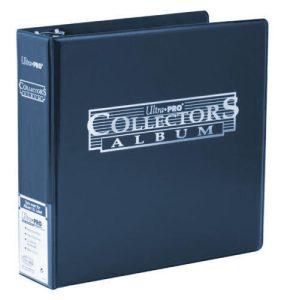
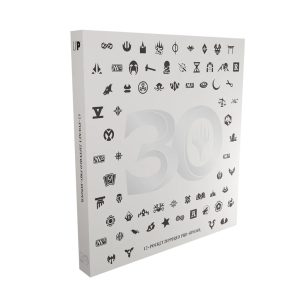
Here's a selection of binders and portfolios currently available, from the 9-pocket portfolio for getting started to the zip binder for valuable cards.
FAQ — Magic Binder
Which binder should I choose to store my Magic cards?
To start out, a fixed 9-pocket portfolio is enough and costs little. If your collection grows fast, go for a ring binder with refills, which is more expandable. For valuable cards, the zip binder offers the best protection.
How many cards can a Magic binder hold?
It all depends on the format. A 9-pocket page holds 18 cards double-sided, so a 20-page portfolio reaches 360 cards. The 12-pocket models climb to 480 cards, and large ring binders can top 500 cards depending on how many pages you add.
What's the difference between a 9-pocket and a 12-pocket binder?
The 9-pocket (3×3 grid) is the standard: comfortable and compatible with sleeved cards. The 12-pocket (4×3) shows more cards per page, but with tighter slots that are less suited to thick sleeves. The 9-pocket remains the best default choice.
Should you sleeve your cards before putting them in a binder?
It's not mandatory, but it's strongly recommended for valuable cards and foils. A sleeve prevents rubbing against the pocket's plastic and protects the card even when you take it out. For worthless commons, you can skip it.
Does a zip binder really protect cards better?
Yes. The zipper runs all the way around the binder: no card can slip out, even upside down. It also protects better against dust and moisture. The trade-off is that it's heavier and pricier than a standard portfolio.
What are the best binder brands for Magic (Ultra Pro, Dragon Shield, Gamegenic)?
Ultra Pro offers the widest selection and remains the licensed partner for Magic accessories. Dragon Shield (Arcane Tinmen) banks on durability and harmony with its sleeves. Gamegenic aims premium with non-slip pages, acid-free and PVC-free. All three are safe bets.
How do you organize your Magic cards by color or by set in a binder?
By color, follow the official WUBRG order: white, blue, black, red, green, then multicolor, colorless/artifacts, and lands. By set, group each set and sort by collector number — Scryfall helps you find them. Leave empty pockets at the end of each section for future additions.
Can a binder damage or discolor my Magic cards?
A poor-quality binder, yes: pockets containing PVC can yellow and damage cards over time. Always choose "acid-free" and "PVC-free" materials. Also avoid overfilling the rings, which mark the edges, and keep the binder out of the sun.
A good Magic binder is the guarantee of an MTG collection that's protected, easy to read, and simple to grow set after set. Choose the format based on the size of your collection, favor acid-free materials, sleeve your valuable cards, and adopt a clear sort by color or by set. The rest is just a matter of enjoyment.
Ready to organize your collection? Browse our binders and portfolios to find the format that fits your cards.
See all binders and portfolios